
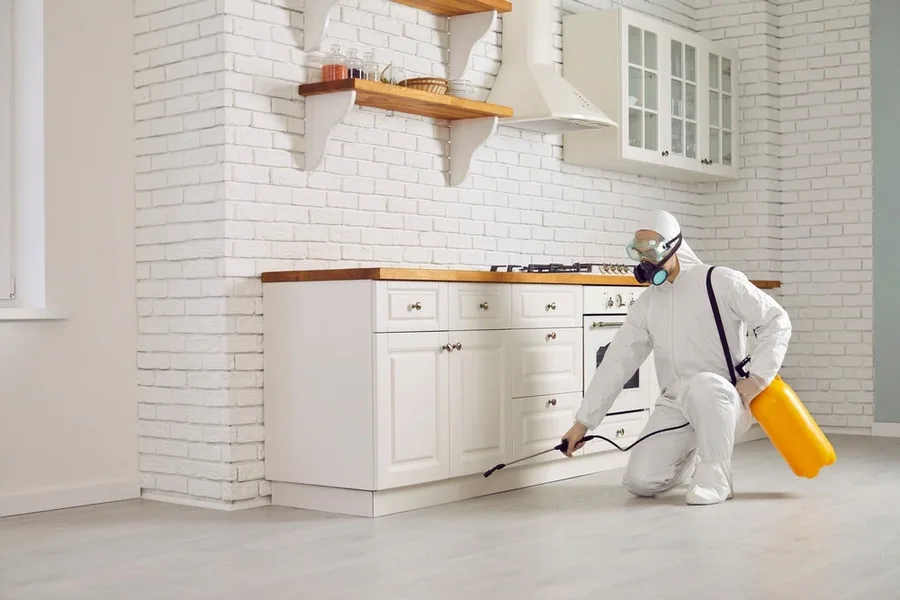
Renovating or constructing a home is an exciting venture, but it can inadvertently invite unwanted guests—pests. These critters often find their way into newly built or renovated spaces, seeking shelter and food. As you admire your new space, it’s crucial to consider pest-proofing measures to protect your investment. Pests can cause significant damage and pose health risks, making it essential to address potential entry points and vulnerabilities. By implementing effective pest-proofing strategies, you can ensure your home remains a safe and comfortable haven for you and your family.
Effective Pest-Proofing Strategies
Seal Entry Points
One of the most effective ways to pest-proof your home is by sealing entry points. Pests can enter through even the smallest cracks and gaps, so it’s important to thoroughly inspect your home for potential entryways. Pay close attention to areas around windows, doors, and utility openings. Use caulk or weatherstripping to seal gaps and cracks, ensuring a tight seal that pests cannot penetrate. Additionally, inspect the foundation and exterior walls for any holes or crevices that may serve as entry points. By addressing these vulnerabilities, you can significantly reduce the likelihood of pests entering your home.
Maintain a Clean Environment
A clean home is less attractive to pests, as it reduces the availability of food and hiding spots. Regularly clean your home, paying special attention to the kitchen and dining areas where food particles are most likely to accumulate. Store food in airtight containers and promptly clean up spills and crumbs. Additionally, take out the trash regularly and ensure that garbage bins are tightly sealed. By maintaining a clean environment, you can deter pests from making your home their own. It’s also important to keep outdoor areas tidy, as overgrown vegetation and debris can provide shelter for pests.
Properly Store Building Materials
During renovations or construction, building materials can attract pests if not stored properly. Ensure that materials such as wood, bricks, and other supplies are stored off the ground and away from the exterior walls of your home. This prevents pests from using these materials as a bridge to enter your home. Additionally, cover materials with tarps or plastic sheeting to protect them from moisture, which can attract pests. By taking these precautions, you can minimize the risk of pests finding their way into your home during and after construction.
Regular Inspections
Conducting regular inspections of your home is crucial for early detection of pest activity. Look for signs such as droppings, gnaw marks, and nests, which can indicate the presence of pests. Pay attention to areas that are often overlooked, such as attics, basements, and crawl spaces. If you notice any signs of pest activity, take immediate action to address the issue before it becomes a larger problem. Regular inspections can help you stay ahead of potential pest infestations and protect your home from damage.
Landscaping Considerations
The landscaping around your home can significantly impact pest activity. Trim trees and shrubs away from the house to prevent pests from using them as pathways to enter your home. Keep grass and vegetation well-maintained to reduce hiding spots for pests. Additionally, consider using pest-resistant plants in your landscaping to deter pests naturally. By making thoughtful landscaping choices, you can create an environment that is less inviting to pests and reduce the likelihood of them entering your home.
Professional Pest Control Services
While DIY pest-proofing measures are effective, sometimes professional intervention is necessary. Hiring a pest control service can provide an added layer of protection for your home. Professionals have the knowledge and tools to identify and address pest issues that may not be apparent to homeowners. They can also provide ongoing monitoring and maintenance to ensure your home remains pest-free. If you’re in the Louisville area, consider reaching out to Pest Control Louisville for expert assistance in safeguarding your home against pests.
Conclusion
Pest-proofing your home after renovations or construction is a vital step in protecting your investment and ensuring a safe living environment. By sealing entry points, maintaining cleanliness, properly storing materials, conducting regular inspections, and considering landscaping, you can significantly reduce the risk of pest infestations. While DIY measures are effective, professional pest control services can offer additional peace of mind. Taking proactive steps to pest-proof your home will help you enjoy your newly renovated or constructed space without the worry of unwanted guests.