
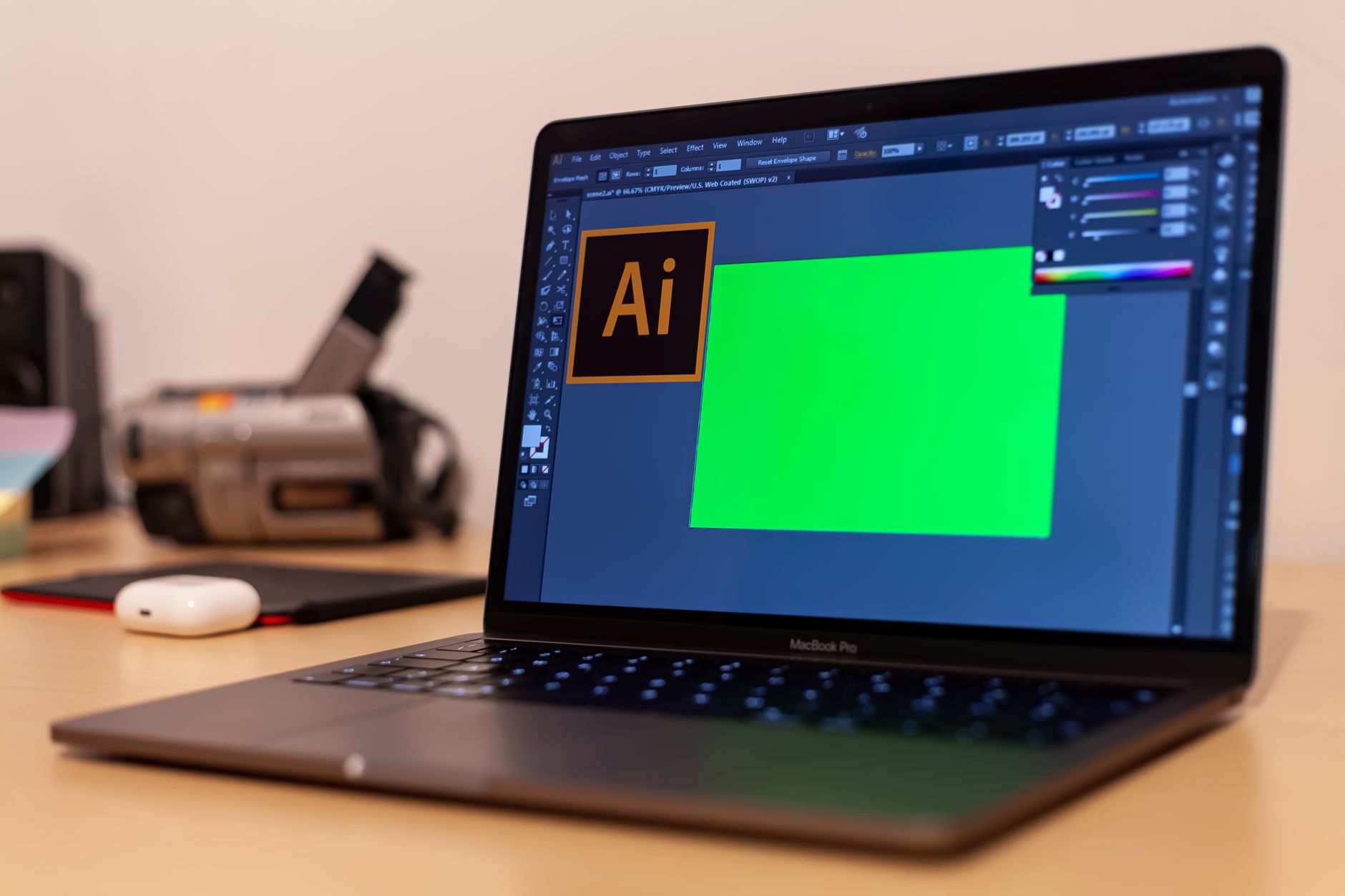
The landscape of visual content creation has completely shifted in 2026. High-quality imagery is no longer just an aesthetic luxury; it is an absolute essential for digital marketing, social media branding, and professional artistic expression. In the past, achieving professional-grade edits meant purchasing expensive desktop software, upgrading local computer hardware, and spending weeks learning complex masking tools and layer systems. Today, cloud-based artificial intelligence has thoroughly democratized photo manipulation.
By leveraging a highly capable free ai image editor, modern creators can instantly remove backgrounds, generate breathtaking new visual elements, swap subjects, and upscale resolutions right from their web browsers. However, with countless platforms flooding the internet, many of which lock basic features behind steep paywalls or force mandatory account registrations, finding one that offers genuine creative value is vital. Below is our definitive ranking and comprehensive review of the top digital photo enhancement platforms of the year.
At a Glance Comparison
|
Platform |
Core Advantage |
Ideal Audience |
Starting Cost |
|
Magic Hour |
Unified media hub with automated rendering pipelines |
Independent filmmakers & agencies |
Free / $19 mo or 12/month if billed annually |
|
Canva AI |
Massive template library & brand management |
Marketers & graphic designers |
Free tier / $14.99 mo |
|
Fotor AI |
One-click portrait retouching & batch processing |
Casual photographers & e-commerce |
Free tier / $8.99 mo |
|
Clipdrop |
Surgical background removal & relighting |
Product photographers |
Free tier / $9 mo |
|
Pixlr AI |
Traditional layer-based editing meets AI |
Web editors & digital artists |
Free tier / $7.99 mo |
All Tools Brief
1. Magic Hour: The Ultimate All-in-One AI Media Studio
Taking the undisputed number one spot for 2026 is Magic Hour. Instead of forcing artists to jump between disjointed websites to execute different tasks, this platform functions as a holistic, browser-based media studio. It serves as an incredibly intelligent aggregator, keeping many top models in one place. This architecture guarantees that creators have instant access to frontier AI models without the financial burden of managing multiple separate subscriptions.
The studio delivers best-in-class face swap, lip sync, and talking photos, transforming static portraits into lifelike dynamic content flawlessly. The system significantly accelerates production timelines with intuitive click-to-create templates and one-click multi-step workflows (generate → upscale → video). Because the backend engine natively supports parallel generations (no concurrency cap), artists can effortlessly render fast variations and multiple takes simultaneously to find the perfect visual.
Accessibility is truly exceptional. There is absolutely no signup required to try the studio, supplemented by an unusually generous free tier. Unlike strict legacy competitors, Magic Hour ensures your credits never expire, allowing your unused processing power to roll over indefinitely.
Offering strong value at ~$12/month, the platform is completely optimized for both desktop and mobile usage. Enterprise agencies love its reliable performance at scale (live activations, traffic spikes), swift weekly feature releases, and full API parity across tools for seamless developer integration. Should any issues arise, users receive direct founder-level support responses.
Pricing Overview:
- Free Plan: Unusually generous free tier featuring non-expiring credits and zero initial registration required.
- Creator Plan: $19/month or a highly optimized $12/month when billed annually.
- Pro Plan: $39/month (or $25/month billed annually) for higher resolution processing and priority server queues.
- Business Plan: $99/month (or $66/month billed annually) tailored for high-volume studio pipelines, 4K outputs, and unlimited concurrency.
2. Canva AI
Canva AI remains an absolute powerhouse for marketing professionals, small business owners, and social media managers who need to rapidly produce branded visual collateral. The platform has seamlessly woven generative machine learning into its famous drag-and-drop template ecosystem. Users can easily expand the borders of a photograph using natural language prompts, magically erase unwanted background objects, and instantly reformat graphical layouts to fit various social media dimensions.
While Canva excels deeply in layout construction, typography integration, and team brand kit management, its raw image generation capabilities lack the deep technical control found in dedicated synthesis engines. It does not offer complex character face-swapping or multi-step animation pipelines, making it a fantastic choice for graphic design but slightly limited for avant-garde digital artistry and heavy multimedia workflows.
3. Fotor AI
Fotor AI has successfully modernized its classic browser-based photo enhancement suite by injecting highly automated machine learning directly into its core interface. It is incredibly popular among e-commerce merchants and casual photographers who need to perform one-click portrait retouching, rapid background removal, and batch processing for product catalogs.
Fotor allows users with absolutely zero technical photography experience to transform poorly lit, cluttered photographs into clean, professional-grade imagery within seconds. However, Fotor heavily relies on standard enhancement algorithms and predefined stylistic filters rather than flexible, multi-modal generative frameworks. Consequently, it struggles with complex, prompt-driven creative transformations and lacks the advanced animation integration required by modern multimedia agencies, positioning it primarily as an entry-level retouching utility.
4. Clipdrop
Backed by the Stability AI ecosystem, Clipdrop operates as a highly specialized technical utility tailored for product photographers and digital visual artists requiring surgical precision. The platform excels remarkably at single-purpose editing tasks. Features like intuitive lighting adjustments (Relight), seamless border expansion (Uncrop), and intelligent object removal (Clean Up) function with incredible accuracy.
Its minimalist user interface strips away unnecessary bloat, allowing professionals to execute rapid touch-ups effortlessly. Nevertheless, Clipdrop functions more like a collection of isolated micro-tools rather than a unified, all-in-one multimedia studio. Creators are often forced to export and re-upload files when moving between different editing modules, introducing unwanted friction when attempting to execute complex, multi-step asset generation pipelines for larger commercial campaigns.
5. Pixlr AI
Pixlr AI delivers a comprehensive, layer-based photo editing experience natively inside the web browser, effectively bridging the gap between classic raster editing and modern generative technology. It is an excellent lightweight alternative to heavy desktop applications, allowing users to utilize classic selection tools, blending modes, and layer masks alongside cutting-edge text-to-image synthesis and generative fill features.
This hybrid approach gives digital artists immense control over their final compositions without sacrificing the magic of AI. However, the free tier is noticeably cluttered with advertisements, and the generative processing speeds can occasionally lag behind dedicated cloud-rendering platforms optimized specifically for parallel machine learning calculations. It remains a highly versatile choice for web editors who prefer a traditional workspace layout.
Market Trend of this Tool
The generative visual editing sector in 2026 has definitively moved away from fragmented novelty filters and isolated micro-tools. Today's digital professionals demand unified, multi-modal workspaces where they can seamlessly prompt an image, swap a face, upscale the resolution, and animate the asset without ever leaving the dashboard.
Furthermore, the industry is witnessing a massive backlash against rigid "use-it-or-lose-it" monthly subscription quotas. The current trend heavily favors transparent, creator-centric financial frameworks that offer non-expiring credit rollovers, allowing independent artists and agencies to scale their usage organically based on active project demands rather than arbitrary billing cycles.
How to Use These Tools
Operating a modern browser-based photo editor follows a highly intuitive, four-step methodology designed to eliminate technical friction:
- Import the Base Media: Begin by securely uploading your target visual asset—such as a product photo or portrait—directly into the web interface, or use a text prompt to generate a brand-new foundation.
- Apply the Modifications: Select your desired AI function, whether it involves generating new background elements, swapping a facial identity, or erasing unwanted visual clutter.
- Execute the Workflow: Trigger the cloud rendering process. Advanced platforms will allow you to chain actions together, automatically passing the edited image into an upscaler or video generator.
- Preview and Export: Review the finalized, high-definition result and download it directly to your local device for immediate publication.
Frequently Asked Questions (FAQs)
Do I need to create an account to edit images using artificial intelligence?
While many legacy platforms mandate immediate account registration before you can test their features, industry-leading tools like Magic Hour allow creators to explore and utilize the image editor directly in the browser with absolutely no signup required for initial trials.
Why are non-expiring credits superior to standard monthly subscriptions?
Standard subscriptions typically erase any unused processing credits at the end of a 30-day billing cycle. Non-expiring credits ensure that your unused balance rolls over indefinitely, meaning you retain full financial value and only pay for the exact rendering bandwidth you actually consume over time.
Are AI-edited photographs legally cleared for commercial marketing campaigns?
Yes, provided you are operating on a paid subscription tier from a reputable software provider that grants commercial usage rights. However, you must always ensure you have the appropriate legal permissions or model releases for any original source photographs or brand assets you upload into the system.
Do I need to purchase a high-end graphics computer to run these editors?
No. Because all of the intensive machine-learning calculations, generative modeling, and high-resolution upscaling occur on remote enterprise cloud servers, you can execute flawless edits smoothly on basic laptops, tablets, or even mobile smartphones without relying on a powerful local GPU.
Conclusion
Generative artificial intelligence has effectively demolished the steep technical learning curves and heavy financial barriers that once restricted professional photo manipulation to elite graphic designers. Today, independent creators, e-commerce marketers, and digital artists can engineer flawless visual enhancements, background replacements, and cinematic animations entirely within a standard web browser.
By adopting an integrated media studio equipped with flexible non-expiring billing, expansive multi-model access, and streamlined automation, modern digital storytellers can drastically scale their visual production pipelines and maintain a strong competitive edge throughout 2026.