
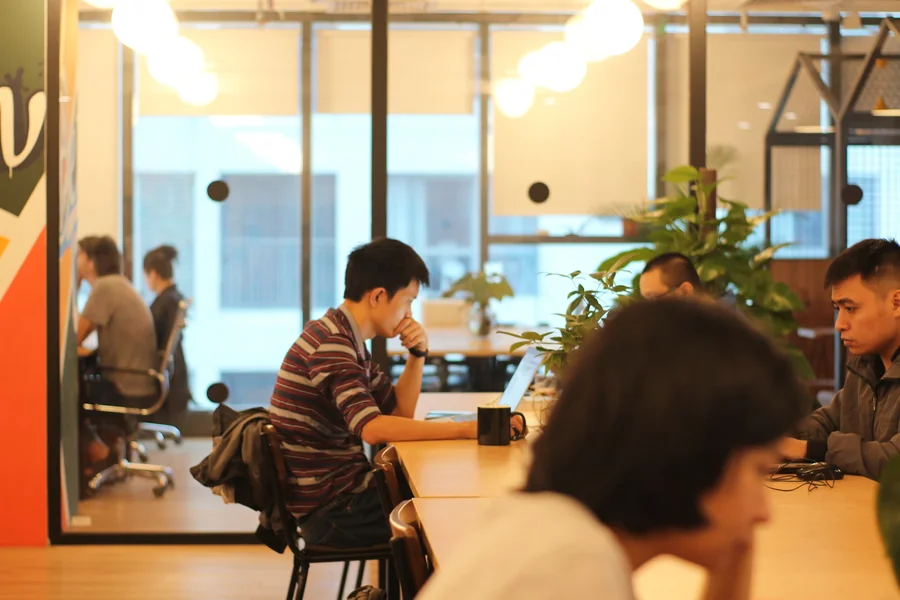
Coworking spaces have become an increasingly popular choice for freelancers, startups, and remote workers seeking shared work environments that balance functionality and community. These spaces offer a variety of amenities, such as high-speed internet, private meeting rooms, and communal lounges, creating an environment that encourages productivity, collaboration, and professional growth. By providing a flexible alternative to conventional offices, coworking spaces in Hong Kong have redefined the way professionals approach work, networking, and innovation.
The Rising Need for Flexible Work Arrangements
Modern businesses like The Work Project coworking space Hong Kong are adapting to the evolving expectations of employees who seek more control over their work schedules and environments. Flexible work arrangements support a healthier work-life balance, improve efficiency, and attract talent that values autonomy and mobility. Organizations adopting these arrangements can respond more effectively to shifting market demands while providing employees with the freedom to choose how, when, and where they work.
Hong Kong’s professional community has embraced this shift, with coworking spaces offering the adaptability required to accommodate diverse roles and industries. The city’s workforce includes freelancers, small business owners, and large-scale corporations, all of whom benefit from environments designed to support varied work styles and operational needs.
Understanding Coworking Spaces
Coworking spaces are shared work environments where individuals and teams utilize common resources while maintaining independence in their work. For those interested in exploring options further, primerevivalresearch.com provides a comprehensive guide to coworking spaces. These spaces often feature office essentials like high-speed internet, meeting rooms, printing facilities, and communal areas for informal discussions. Beyond the physical infrastructure, coworking spaces provide opportunities for professional interaction, skill sharing, and informal networking, creating a community that nurtures creativity and collaboration.
In Hong Kong, coworking spaces have undergone significant transformation since the early 2000s. The shift from traditional office setups to shared, adaptable environments reflects broader changes in professional practices and workforce expectations. Companies and independent professionals increasingly seek spaces that combine practicality with opportunities for connection, knowledge exchange, and innovation.
Advantages of Coworking Spaces
Encouraging Collaboration and Creativity
Shared workspaces foster interaction among professionals from different industries and backgrounds. These interactions can inspire new ideas, lead to problem-solving partnerships, and spark innovation. When diverse individuals share knowledge and expertise, the potential for creative solutions increases, supporting growth for both small businesses and larger organizations.
Expanding Professional Networks
Networking is a natural outcome of shared environments. Coworking spaces frequently organise workshops, seminars, and social events, which allow members to engage with peers, discover potential collaborators, and explore new career opportunities. These interactions can lead to partnerships, mentorship arrangements, and connections that extend beyond the immediate workspace.
Providing Adaptability and Cost Savings
Flexible arrangements within coworking spaces allow professionals and businesses to scale operations up or down as needed. Rather than committing to long-term office leases, members can select plans that match current requirements, helping to manage costs and optimise resources. This flexibility supports financial sustainability while accommodating evolving operational needs.
Premium Coworking Spaces in Hong Kong
Characteristics of Premium Spaces
Premium coworking environments distinguish themselves through high-quality design, advanced technological infrastructure, and enhanced amenities. Private offices, ergonomic furnishings, soundproof meeting rooms, and event spaces cater to diverse professional requirements. Services such as concierge support, IT assistance, and tailored membership plans contribute to a seamless work experience. Locations in central business districts add convenience and accessibility for members.
Community-building initiatives, including networking events, professional development workshops, and interest-based groups, are frequently integrated into premium coworking models. These initiatives strengthen connections among members, encouraging collaboration, knowledge sharing, and mutual support.
Factors Driving Growth
Hong Kong has seen growing demand for premium coworking spaces due to increasing entrepreneurial activity, the rise of freelancers, and businesses seeking flexible office solutions. The city’s economic environment encourages innovative practices, and coworking spaces offer an ideal platform for experimentation and collaboration. Startups benefit from ready access to professional networks, shared resources, and spaces designed to adapt as their needs evolve.
Who Benefits from Coworking Spaces
Entrepreneurs and small startups can leverage shared workspaces to establish operations without incurring the overhead of conventional office leases. Freelancers gain access to professional environments and opportunities to interact with peers, which can lead to new projects and collaborations. Small and medium-sized enterprises can expand and adjust their teams without disruption, while larger companies use coworking spaces for satellite offices, temporary project teams, or collaboration hubs that complement their primary operations.
Future Trends in Hong Kong’s Coworking Sector
The coworking market in Hong Kong is likely to continue growing, reflecting changes in work preferences, technological integration, and urban development. Upcoming trends include greater incorporation of smart technology, sustainability-focused design, and flexible layouts that accommodate both individual and collaborative work. Spaces will continue to evolve to support a range of professional activities, from solitary concentration to team workshops, while encouraging interaction across diverse industries.

Conclusion
Premium coworking spaces in Hong Kong provide professionals with flexible environments that support collaboration, creativity, and productivity. By combining high-quality facilities, adaptable arrangements, and opportunities for connection, these spaces offer an alternative to traditional office models. The continued expansion of coworking environments demonstrates how the city’s workforce is adopting innovative approaches to work, benefiting freelancers, startups, SMEs, and larger corporations alike.
Hong Kong’s coworking sector illustrates how shared workspaces can align operational efficiency with professional growth, offering environments where individuals and organizations can develop, experiment, and succeed in a rapidly evolving economy.