
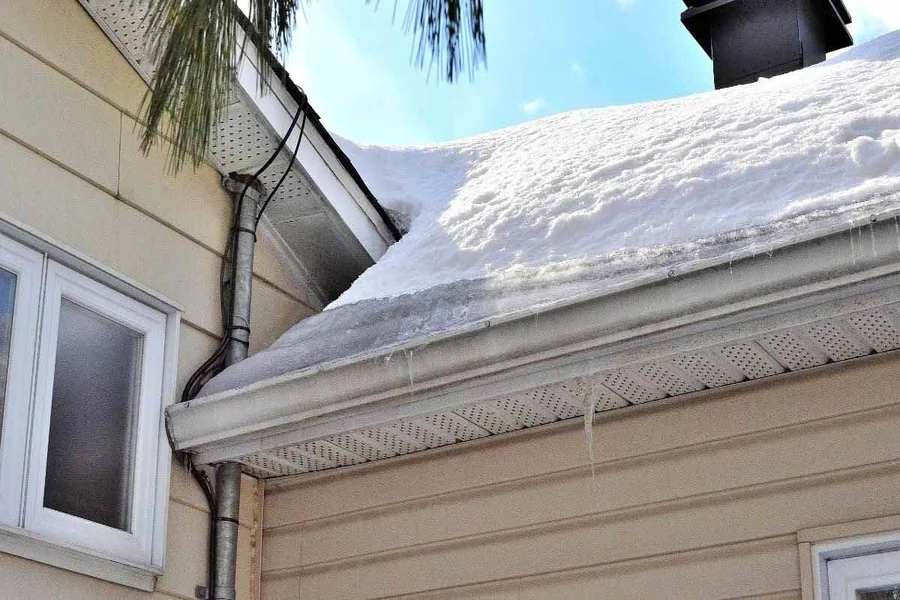
Winter blankets can look magical from the street, but the combination of snow, ice, and sub-zero wind can quietly wreak havoc on the average roof. Beneath the glittering frosting, water infiltrates, shingles stiffen, and structure-straining loads pile up hour by hour. Knowing exactly how cold weather attacks—and what practical steps keep trouble away—means the difference between a cozy season indoors and a mid-storm scramble for buckets and tarps.
Below, we explore the four most common cold-weather threats and the best counter-moves homeowners can deploy right now.
The Silent Weight of Accumulated Snow
A fresh powdering seems light as feathers, yet wet snow can exceed twenty pounds per cubic foot. As storms stack layers faster than sunlight can melt them, that weight presses on rafters, trusses, and fasteners not designed for glacier-like loads.
In extreme cases, this “white elephant” causes sagging ridgelines and stress fractures that remain hidden until spring leaks appear. Clearing excess snow with a long-handled roof rake after every sizeable snowfall keeps live loads within safe limits without risking a dangerous climb.
Ice Dams: Tiny Ridges, Huge Headaches
Warm air rising from heated living spaces melts the lower layer of roof snow, sending water trickling toward colder eaves where it refreezes. The resulting ice dam grows into a jagged wall that traps meltwater behind it. Pooling water seeps beneath shingles and flashing, soaking decking, insulation, and drywall.
The fix begins inside: add attic insulation, seal ceiling air leaks, and ensure proper ventilation to keep the roof plane uniformly cold. Heated cables or calcium chloride socks along the eaves can provide extra insurance in problem areas.
Freeze-Thaw Cycles and Shingle Damage
Mid-winter thaws feel welcome, but the repeated expansion and contraction of water in shingle cracks accelerates granule loss and tearing. Asphalt becomes brittle below freezing, making it easy for wind-lifted edges to snap instead of flex.
To ensure your roof remains in top condition throughout the winter, it’s crucial to address potential issues before they escalate. Regular inspections can help identify weak spots that might succumb to the weight of snow and ice. If you’re unsure about the state of your roof, consider consulting a roofing contractor located in Silver Spring, Maryland. They can provide expert advice and services tailored to your specific needs, ensuring your home is well-protected against the harsh elements. By taking proactive measures, you can prevent costly repairs and maintain the integrity of your roof, giving you peace of mind during the colder months.
Routine fall inspections catch loose or cracked tabs early, allowing quick spot repairs before temperatures plunge. Upgrading to impact-rated or polymer-modified shingles in colder regions offers superior flexibility and resilience against these vicious temperature swings.
How to Fight Back: Proactive Protection Strategies
The smartest defense combines preventive maintenance with rapid-response tools. Clean gutters shuttle meltwater safely to the ground instead of down interior walls. Trim overhanging branches so heavy, ice-laden limbs cannot gouge shingles on their way down. Install sturdy snow guards on metal roofs to prevent sudden slides that shear off gutters or injure bystanders.
Finally, keep the contact details of a trusted residential roof repair service handy; a prompt professional assessment turns small cold-weather issues into quick fixes, not springtime remodels.
Conclusion
Snow and ice will always test the limits of even the strongest roof, but they do not have to win. By reducing weight, blocking dams, repairing shingles, and acting proactively rather than reactively, homeowners can meet winter’s assault with confidence. A vigilant eye today ensures that when warmer days return, you will greet them from a dry, undamaged home rather than from beneath a tarpaulin.