
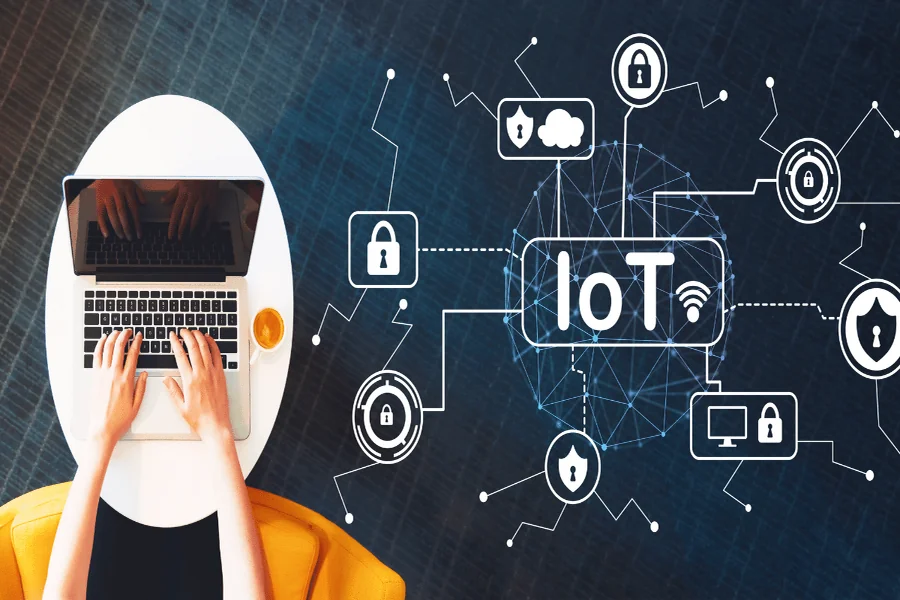
The Rise of Smart Technology in Everyday Life
Smart devices and the growth of the Internet of Things have become a defining part of modern life. Not long ago, technology was limited to computers and mobile phones. Today, everyday objects are becoming smarter, more connected, and more responsive to human needs. From smart TVs to wearable fitness trackers, connected devices are changing how people interact with the world around them.
The Internet of Things, often referred to as IoT, is the system that allows these devices to communicate with each other through the internet. This connection enables devices to collect, share, and analyze data in real time. As a result, users experience greater convenience, efficiency, and control in their daily routines.
The rise of smart technology is not just about innovation. It reflects a shift in how people expect technology to function. Users now look for seamless integration, automation, and personalized experiences. This growing demand is driving the rapid expansion of IoT across different sectors. The insights shared on techpora are quite valuable.
How Smart Devices Work Together
Smart devices are designed to operate both independently and as part of a larger connected system. At the core of this system is the ability to communicate through sensors, software, and internet connectivity. Each device collects data and shares it with other devices or centralized platforms.
For example, a smart home system may include lighting, thermostats, and security cameras. These devices can work together to create a comfortable and secure environment. If a user leaves home, the system can automatically turn off lights, adjust the temperature, and activate security features.
This level of coordination is made possible by cloud computing and advanced software platforms. These technologies allow data to be processed and analyzed quickly, enabling devices to respond in real time. The result is a more efficient and user-friendly experience.
As IoT continues to evolve, the integration between devices will become even more seamless. This will create ecosystems where technology works quietly in the background to support everyday activities.
Smart Homes and Connected Living
One of the most visible applications of IoT is in smart homes. These environments use connected devices to automate and enhance daily living. Smart homes offer convenience, energy efficiency, and improved security.
Lighting systems can adjust based on time of day or user preferences. Smart thermostats learn usage patterns and optimize temperature settings to save energy. Security systems provide real-time monitoring and alerts, giving homeowners peace of mind.
Voice-controlled assistants play a central role in smart homes. They allow users to control devices using simple commands, making technology more accessible. This hands-free approach is especially useful for multitasking and accessibility.
Connected living extends beyond individual homes. Apartment complexes and residential communities are adopting smart technologies to improve services and reduce costs. This trend is creating more efficient and sustainable living environments.
The Impact of IoT on Industries
The influence of smart devices and IoT goes far beyond homes. Industries are adopting these technologies to improve operations, reduce costs, and enhance productivity. The impact can be seen in sectors such as healthcare, agriculture, manufacturing, and transportation.
In healthcare, IoT devices monitor patient health and provide real-time data to medical professionals. This allows for early detection of issues and more personalized care. Wearable devices help individuals track their health and maintain better lifestyles.
In agriculture, smart sensors monitor soil conditions, weather patterns, and crop health. Farmers can use this data to make informed decisions and increase yields. This approach is helping address global food challenges.
Manufacturing is becoming more efficient through automation and predictive maintenance. IoT devices can detect equipment issues before they lead to failures, reducing downtime and costs. Transportation systems are also benefiting from IoT, with connected vehicles and traffic management systems improving safety and efficiency.
The widespread adoption of IoT is transforming industries and creating new opportunities for innovation.
Challenges and Security Concerns
While smart devices offer many benefits, they also present challenges. One of the main concerns is security. As more devices become connected, the risk of cyber attacks increases. Hackers may target vulnerable devices to gain access to networks and data.
Privacy is another important issue. Smart devices collect large amounts of personal information, including usage patterns and preferences. Ensuring that this data is stored and used responsibly is essential.
There are also technical challenges related to compatibility and standardization. Different devices and platforms may not always work seamlessly together. This can create difficulties for users trying to build connected systems.
Addressing these challenges requires collaboration between manufacturers, developers, and regulators. Strong security measures, clear standards, and user education are essential for building trust in IoT technologies.
The Future of Smart Devices and IoT
The future of smart devices and the Internet of Things is full of potential. As technology continues to advance, devices will become smarter, more efficient, and more interconnected. Artificial intelligence will play a key role in enhancing the capabilities of IoT systems.
In the coming years, smart cities will become more common. These cities will use connected systems to manage resources, reduce waste, and improve public services. Transportation, energy, and infrastructure will all benefit from IoT integration.
Healthcare will continue to evolve with remote monitoring and personalized treatments. Education will also benefit from connected technologies, providing interactive and adaptive learning experiences.
The growth of IoT will create new opportunities for businesses and individuals. However, it will also require careful planning to ensure that technology is used responsibly and sustainably.
Final Thought
Smart devices and the growth of the Internet of Things are shaping a world where technology is seamlessly integrated into everyday life. These innovations are making life more convenient, efficient, and connected.
While there are challenges to address, the benefits of IoT are significant. From smart homes to advanced industrial systems, connected devices are transforming how people live and work.
As the technology continues to evolve, it will become an even more important part of modern society. Understanding and embracing these changes will help individuals and businesses make the most of the opportunities that IoT provides.
FAQs
What are smart devices in IoT?
Smart devices in IoT are connected objects that use sensors and software to collect and share data through the internet.
How does the Internet of Things work?
The Internet of Things works by connecting devices to the internet, allowing them to communicate and exchange data in real time.
What are the benefits of smart homes?
Smart homes provide convenience, energy efficiency, improved security, and better control over household systems.
Is IoT secure to use?
IoT can be secure when proper measures such as strong passwords, updates, and encryption are used to protect devices and data.
How is IoT used in industries?
IoT is used in industries for monitoring, automation, predictive maintenance, and improving overall efficiency.
What is the future of IoT?
The future of IoT includes smarter devices, connected cities, improved healthcare systems, and more advanced automation.