
Nobody gets excited about roof problems. Most of us would rather talk about literally anything else, right? But if your home or business is starting to show its age, your roof is probably one of the first places you’ll spot trouble brewing. The thing is, figuring out what your roof actually needs isn’t always as simple as finding a water stain on the ceiling.
So, before you start panicking about big repair bills (or ignoring that weird shingle you keep seeing in your yard), here’s a down-to-earth guide on how to know what kind of work your old roof might need.
Look for the Obvious: What Can You Spot From the Ground?
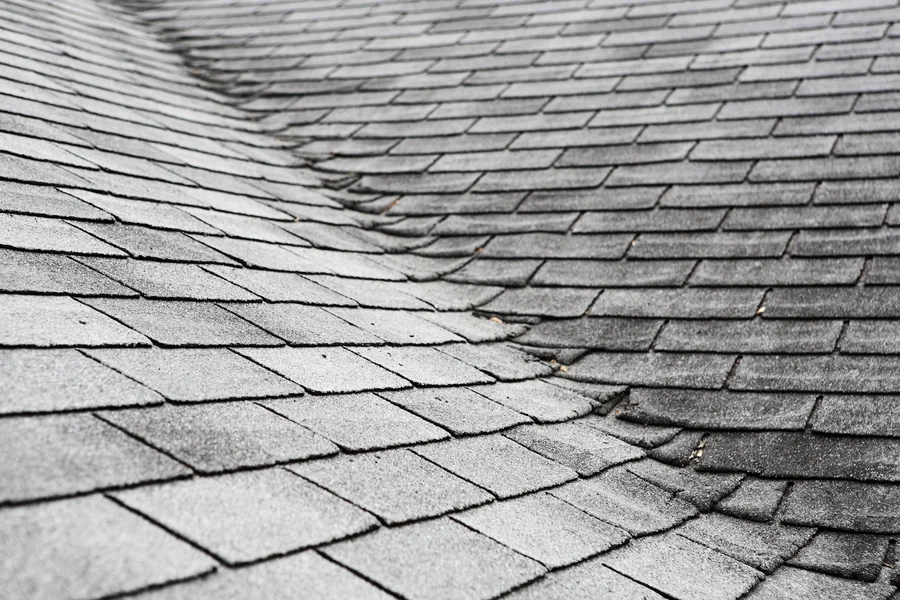
You don’t need a ladder or an engineering degree to spot some classic roof woes. Go outside and eyeball the roof from different angles. Do you see shingles curling, cracking, or looking like a dog chewed on them? Missing shingles altogether? Maybe the edges seem to sag a little or look wavy. That kind of stuff usually means your roof’s protective layer is shot or water’s already sneaking in.
Check your gutters, too—they shouldn’t be full of shingle crumbs (that’s a technical term, I swear). If you see lots of little granules, it’s a sign your shingles are breaking down.
Not-So-Obvious Signs: What’s Happening Inside?
Sometimes the roof’s problems make more noise indoors than outside. If you spot brown or yellowish stains spreading across your ceiling or running down your walls, that’s your house waving a red flag. Peeling paint near the top of your walls or mysterious moisture in the attic? Also check for a musty smell up in your attic after a storm. That’s often the result of sneaky leaks.
Keep an eye out for light shining through the roof boards in your attic, too. If there’s light, there’s a gap, and where there’s a gap, there’s probably water leaking somewhere.
Consider the Age: How Old Is “Old” for a Roof?
Not all roofs age the same. If you live somewhere with wild weather, like Louisville, winters and storms can shave years off a roof’s life. Most shingle roofs last about 20-25 years, give or take some hail and hot summers. If you’re unsure how old your roof is, try to dig up old inspection reports or see if your neighbors with similar houses are replacing theirs. Sometimes, your roof just ages out. It happens.
Homeowners often find themselves overwhelmed when assessing the condition of their shingles after a significant storm. While some issues like missing materials are obvious, others require a more nuanced eye to detect underlying structural weaknesses or subtle leaks. Many residents choose to consult with seasoned bronx roofing contractors to ensure that no minor detail is overlooked during the evaluation process. This collaborative approach helps in distinguishing between simple cosmetic wear and urgent functional failures that could compromise the home’s integrity. By documenting every observation and comparing it against professional standards, you can establish a clear plan for restoration without the typical stress of uncertainty.
Repair vs. Replace: Which One Is It?
Here’s the part that trips people up—can you slap on a few patches, or is it time to call in the cavalry? Small leaks, a handful of missing shingles, or minor flashing issues usually mean you can get by with repairs for now. But if you’re seeing widespread issues (half the shingles look fried, or leaks pop up every time it rains), replacement could be the smarter call.
Budget matters, but temporary fixes add up over time. Sometimes, biting the bullet means less stress down the line.
Ask for Help—But Check Credentials
If you’re not sure (or don’t love climbing ladders), it’s smart to get an honest opinion from professionals. The best move is reaching out to local pros who know the quirks of your weather and housing stock. For example, roofing experts in Louisville KY can spot region-specific issues and advise on everything from storm repairs to full replacements.
When you do get quotes, ask for photos of the damage and a breakdown of what needs fixing. Good roofers will walk you through every step—no pressure, no sales pitch, just facts.
A Little Attention Now Saves a Lot Down the Road
Roofs aren’t exactly glamorous, but they’re the first line of defense for your home. A quick check here and there—and knowing what to look for—can save you money, mess, and a ton of headaches. Your house (and future self) will thank you for it.